A Deep Dive into the Thermoset Injection Molding Process and Best Practices

Understanding Thermoset Injection Molding
What are Thermosets?
Thermosets form a distinct class of polymers that undergo irreversible chemical changes during processing. Heat and pressure trigger cross-linking reactions that lock the molecular structure into a rigid network. Once cured, these materials resist melting or reshaping even under high temperatures. Engineers select thermoset materials for applications that demand dimensional stability and resistance to chemicals or electrical stress. Common thermoset polymers include epoxies, phenolics, and melamines. Unlike thermoplastics that soften repeatedly, thermoset plastics maintain integrity after the initial molding cycle. Manufacturers value thermoset components because they deliver consistent performance in harsh environments where thermoplastics would deform or degrade.
Overview of the Injection Molding Process
Thermoset injection molding begins when raw thermoset material enters a heated barrel. A reciprocating screw plasticizes the compound and injects it into a closed mold under controlled pressure. The mold temperature stays elevated to initiate curing while the material fills intricate cavities. After injection, the part remains in the mold for a precise dwell time that allows complete cross-linking. Ejector pins then release the finished component. Cycle times vary with part thickness and material reactivity. Operators monitor barrel temperatures, injection speeds, and mold cooling rates to prevent premature curing or incomplete fills. This process supports high-volume production of complex thermoset components with tight tolerances.
Differences Between Thermoset and Thermoplastic Injection Molding
Thermoplastic injection molding relies on heating and cooling cycles that allow repeated melting and solidification. Thermoset injection molding, by contrast, depends on an irreversible chemical reaction that hardens the polymer permanently. Thermoplastics require higher injection pressures to overcome viscosity changes, while thermosets cure inside hotter molds without remelting. Thermoplastic injection moulding often produces recyclable scrap, whereas thermoset molding generates waste that cannot return to the process. Dimensional stability favors thermosets in high-heat applications, yet thermoplastics offer faster cycles and easier color changes. Designers choose between the two based on service temperature, chemical exposure, and production volume requirements.
Key Components of the Thermoset Injection Molding Process
Materials Used in Thermoset Molding
Thermoset molding materials combine resins with fillers, reinforcements, and curing agents. Glass fibers, mineral fillers, and carbon composites increase strength and thermal conductivity. Phenolic compounds deliver excellent electrical insulation, while epoxy systems provide superior adhesion and chemical resistance. Liquid silicone rubber serves specialized thermoset applications that require flexibility and biocompatibility. Material suppliers tailor formulations to meet specific flow characteristics and cure kinetics. Proper storage prevents premature reaction, and consistent feed rates ensure uniform part quality. Engineers test batch viscosity and gel times before production to avoid defects in the final thermoset components.
Molds and Their Design
Mold design for thermoset injection molding accounts for high mold temperatures and ongoing chemical reactions. Toolmakers use hardened steel to withstand abrasive fillers and repeated thermal cycling. Venting channels allow gases from curing reactions to escape without trapping voids. Ejector systems incorporate draft angles that prevent part damage during release. Hot runner systems remain rare because thermoset materials cure inside the mold rather than the manifold. Precision machining on a CNC machine or lathe creates the detailed cavities required for tight tolerances. Proper mold maintenance extends tool life and maintains consistent thermoset injection molding output.
Role of Chemicals in Thermoset Injection
Chemicals drive the curing reaction that distinguishes thermoset injection from other processes. Catalysts and hardeners initiate cross-linking once the material reaches activation temperature. Release agents applied to mold surfaces reduce adhesion and ease part ejection. Colorants and flame retardants integrate during compounding without disrupting cure chemistry. Operators adjust catalyst levels to control gel time and flow length inside the mold. Safety protocols govern handling of reactive chemicals to prevent premature reactions or health hazards. Precise chemical balance ensures complete curing while avoiding brittleness or surface defects in finished thermoset parts.
Best Practices for Thermoset Injection Molding
Optimizing the Molding Process
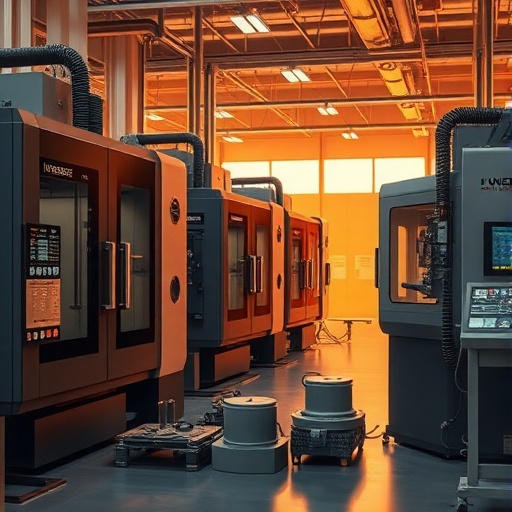
Process optimization starts with stable machine parameters and material conditioning. Operators set consistent barrel temperatures that plasticize without triggering early cure. Injection speed profiles fill thin sections before thicker areas without jetting or air entrapment. Mold temperature control systems maintain uniform heat distribution across the cavity surface. Dwell time adjustments account for material reactivity and part geometry. Real-time monitoring of cavity pressure helps detect deviations that affect thermoset component quality. Regular screw and barrel inspections prevent contamination that could alter chemical reactions during molding.
Quality Control and ISO 13485 Standards
ISO 13485 certification establishes rigorous quality management for medical and precision thermoset components. Documentation tracks every batch of material from receipt through final inspection. In-process checks verify dimensions, cure completeness, and surface finish against validated specifications. Statistical process control identifies trends before defects reach the customer. Calibration of sensors on injection machines and lathe equipment ensures measurement accuracy. Traceability systems link each molded part to its production parameters. Compliance with ISO 13485 builds customer confidence and reduces costly recalls in regulated industries.
Common Challenges and Their Solutions
Flash formation occurs when material escapes parting lines under high pressure. Adjusting clamp force and optimizing vent depth reduces flash without damaging the mold. Incomplete fills result from premature gelation or insufficient injection pressure. Raising mold temperature or reformulating the compound improves flow. Warpage arises from uneven curing or filler orientation. Balanced gate locations and controlled cooling minimize internal stresses. Surface defects such as blisters indicate trapped volatiles. Improved venting and material drying resolve these issues. Consistent troubleshooting protocols keep thermoset injection molding lines running efficiently.
Applications of Thermoset Injection Molding
Industries Utilizing Thermoset Components
Automotive manufacturers rely on thermoset injection molding for under-hood parts that withstand heat and oil exposure. Electrical suppliers produce insulators and housings that maintain dielectric strength over decades. Aerospace programs specify thermoset composites for lightweight structural elements with superior fatigue resistance. Medical device companies use thermoset materials in surgical tools and diagnostic equipment that require sterilization compatibility. Appliance makers select phenolic compounds for handles and switches exposed to high temperatures. These industries value the long-term stability that thermoset plastics provide over alternative materials.
Comparison with Other Molding Techniques
Compression molding processes thermoset materials in open molds under lower pressures, limiting complexity compared with injection methods. Transfer molding offers better detail than compression but slower cycles than thermoset injection molding. Thermoplastic injection moulding supports high-speed production yet lacks the heat resistance of cured thermosets. Overmolding techniques combine thermoset and thermoplastic layers for ergonomic grips or seals. Insert molding embeds metal components directly during injection, creating strong hybrid parts. Each technique serves distinct design requirements based on geometry, volume, and performance demands.
Future Trends in Thermoset Solutions
Material scientists continue developing faster-curing thermoset formulations that shorten cycle times without sacrificing properties. Automation integrates robotic handling with CNC machine finishing to increase throughput. Sustainable fillers derived from natural sources gain traction in thermoset composites. Digital process control systems predict cure behavior and adjust parameters in real time. Liquid silicone rubber applications expand into wearable electronics and medical devices. These advances position thermoset injection molding as a competitive solution for demanding environments where thermoplastics reach their limits.
Advanced Techniques in Thermoset Injection Molding
Insert Molding and Overmolding
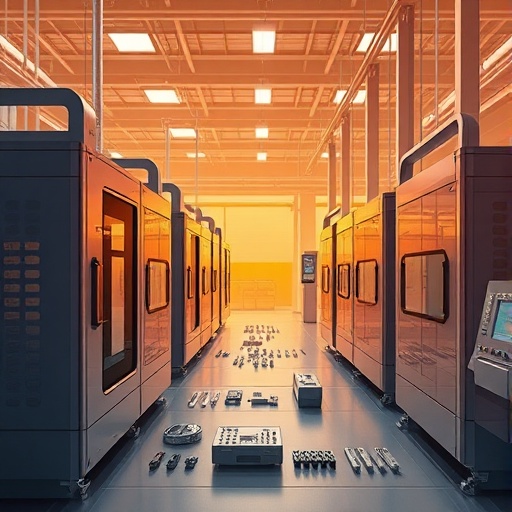
Insert molding places metal or ceramic components inside the mold before injection, allowing thermoset material to encapsulate them securely. This technique eliminates secondary assembly steps and improves part strength. Overmolding applies a second thermoset or thermoplastic layer over a previously molded substrate to create multi-material assemblies. Proper surface preparation ensures adhesion between layers. Engineers design mold cores and cavities that accommodate inserts without shifting during high-pressure injection. Successful insert molding and overmolding expand design possibilities for thermoset components in electronics and automotive sectors.
Integration of CNC Machines and Lathe in Thermoset Production
CNC machine centers machine mold cavities to precise tolerances required for thermoset injection molding. Five-axis capabilities create complex geometries that traditional methods cannot achieve. A lathe produces symmetrical cores and runner components with excellent surface finishes. Post-molding operations use CNC equipment to drill mounting holes or trim flash from thermoset parts. Integration of these machines into the production cell reduces lead times and improves consistency. Operators program tool paths that account for material shrinkage after curing. This combination of injection and machining delivers finished thermoset solutions ready for assembly.
Utilizing Liquid Silicone Rubber in Thermoset Applications
Liquid silicone rubber processes similarly to other thermosets yet offers unique flexibility and temperature resistance. Injection systems meter and mix two-component silicone before delivering it to heated molds. The material cures rapidly into durable seals, gaskets, and medical components. Liquid silicone rubber bonds effectively during overmolding onto thermoplastic or metal substrates. Its biocompatibility supports applications in healthcare devices where traditional thermoset plastics may fall short. Processors adjust injection pressures and mold temperatures to optimize flow and cure speed. This versatility broadens the range of thermoset injection molding opportunities across industries.
See Also
- Comparing Thermoset and Thermoplastic Injection Molding for Optimal Results
- Mastering the Art of Thermoset Injection Molding for Durable Components
- How Thermoset Injection Molding Revolutionizes Product Design and Functionality
- Overmolding with Thermosets Unlocking New Possibilities in Product Development