Common Issues with Diesel Tank Level Gauges and How to Fix Them
Understanding Diesel Tank Level Gauges
What are Diesel Tank Level Indicators?
Diesel tank level indicators play a crucial role in monitoring the fuel supply for diesel engines. These devices provide vital information regarding the quantity of diesel fuel stored in tanks, ensuring efficient management of fuel stocks. In commercial settings, accurate level measurement is essential for operations, safety, and preventing fuel shortages. Whether you operate a diesel-powered vehicle or manage a tank farm, understanding diesel tank level indicators helps you maintain optimal fuel levels, thereby ensuring uninterrupted service and reducing the risk of operational disruptions.
Types of Level Gauges for Diesel Tanks
Several types of level gauges exist for diesel tanks, each designed to cater to specific needs and applications. Float-type level gauges use a buoyant float that rises and falls with the fuel level, providing a mechanical reading. Electronic level gauges employ sensors and transmitters to relay data to a digital display, offering precise measurements. Capacitive and ultrasonic level sensors also provide non-contact methods for gauging levels, making them ideal for larger storage tanks. Understanding these various types allows users to select the most appropriate solution depending on their operational requirements, tank size, and type of diesel fuel used.
Key Components of a Diesel Tank Level Gauge
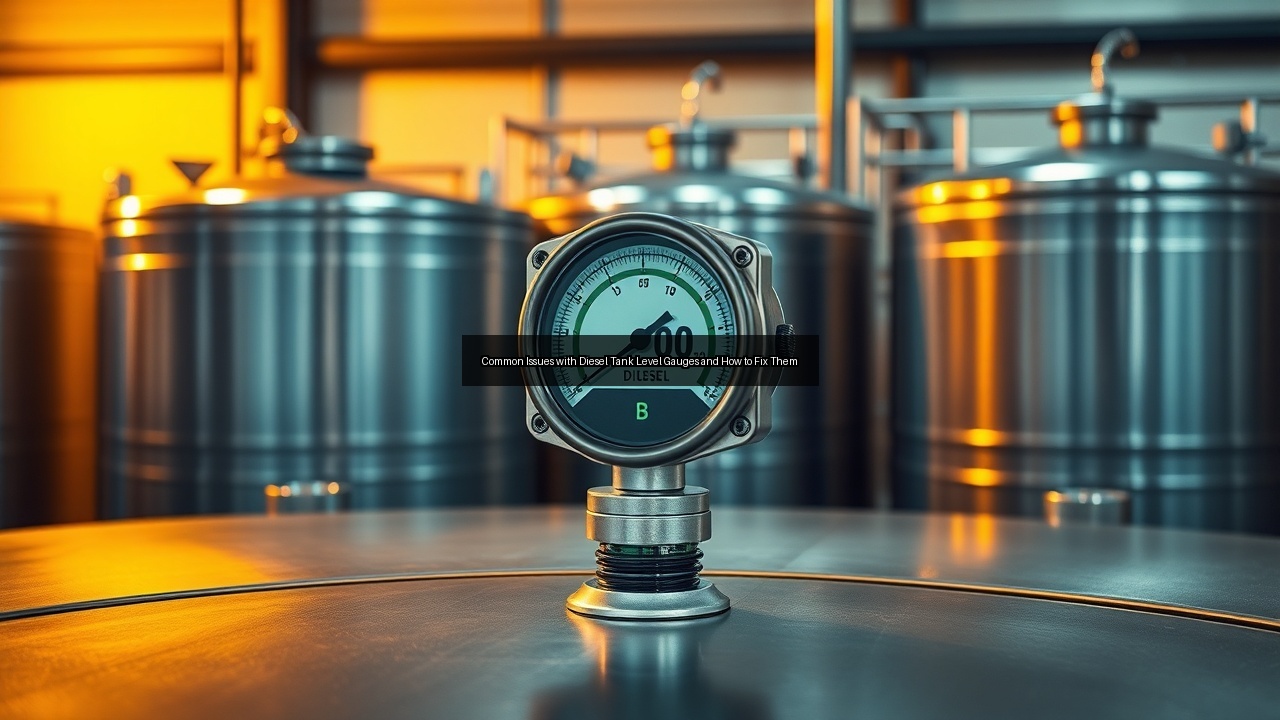
Diesel tank level gauges consist of several key components that work together to provide accurate readings. The float or sensor serves as the primary measurement element, responding to changes in diesel fuel levels. The indicator or display unit translates this data into a readable format, whether analog or digital. Wiring and connectors facilitate communication between the sensor and the display, ensuring seamless data transfer. Additionally, protective casings safeguard the internal components from environmental factors like moisture and dust. Understanding these components can assist in troubleshooting issues and performing necessary repairs.
Common Issues with Diesel Tank Level Indicators
Inaccurate Level Measurement
Inaccurate level measurement remains one of the most common issues with diesel tank level indicators. Factors such as improper calibration, sensor malfunction, or environmental conditions can lead to erroneous readings. For instance, a sensor that has not been calibrated correctly may report a full tank when it is, in fact, nearly empty. Similarly, changes in temperature can affect the density of diesel fuel, resulting in misleading measurements. Regularly checking and calibrating level gauges ensures that they provide accurate information, allowing for better fuel management and reducing the risk of running out of diesel fuel unexpectedly.
Signal Interference and Data Loss
Signal interference and data loss present significant challenges for diesel tank level indicators. This issue often arises from electrical interference, which can distort the signals transmitted from sensors to the display units. Factors such as nearby electrical equipment, electromagnetic fields, and even poor wiring can contribute to these problems. In some cases, data loss can lead to gaps in monitoring fuel levels, increasing the risk of operational inefficiencies. Employing shielded cables, ensuring proper grounding, and regularly inspecting electrical connections can reduce the likelihood of signal interference and maintain reliable performance in fuel level monitoring.
Physical Damage to Level Gauges
Physical damage to level gauges can severely impact their functionality and accuracy. External factors, such as harsh weather, impacts during loading and unloading, or corrosion from diesel fuel exposure, can cause wear and tear over time. Regular visual inspections help identify any physical damage, ensuring timely repairs or replacements. When selecting level gauges, opting for robust materials such as stainless steel can enhance durability, particularly in outdoor or industrial environments. By addressing physical damage promptly, users can maintain the integrity of their diesel tank level indicators and ensure consistent, reliable performance.
Troubleshooting and Fixing Diesel Tank Level Gauge Problems
Calibrating Your Diesel Tank Level Indicator
Calibrating your diesel tank level indicator is essential for maintaining accurate level measurement. Calibration involves adjusting the gauge to reflect the actual fuel level in the tank. Various methods exist for calibration, depending on the type of level gauge in use. For float-type gauges, users can manually adjust the float's position to match the measured level. Electronic gauges often require accessing a calibration menu, where users can input specific tank dimensions and fuel characteristics. Regular calibration ensures that level indicators provide real-time, accurate data, enabling better fuel management and operational efficiency.
Replacing Faulty Components
Identifying and replacing faulty components in a diesel tank level gauge is crucial for restoring functionality. Common issues can arise from worn-out sensors, damaged floats, or malfunctioning display units. To troubleshoot, inspect each component methodically, checking for signs of wear, corrosion, or breaks. If a component is determined to be faulty, sourcing high-quality replacements is vital. Many manufacturers provide replacement parts compatible diesel tank gauge with their level gauges. Ensuring that all components are in good working condition allows for accurate level measurement and minimizes the risk of unexpected fuel shortages.
Regular Maintenance Tips for Diesel Level Gauges
Regular maintenance for diesel level gauges enhances their longevity and accuracy. Start with periodic visual inspections to check for physical diesel tank gauge damage or signs of wear. Cleaning the sensors and floats helps prevent buildup that can interfere with performance. Additionally, recalibrating the gauges at regular intervals ensures that they remain accurate over time. Keep an eye on electrical connections and wiring to prevent signal interference. Establishing a routine maintenance schedule allows users to identify potential issues before they escalate, ensuring that diesel tank level indicators function optimally for the long haul.
Best Practices for Diesel Tank Management
Choosing the Right Level Gauge for Your Diesel Tank
Selecting the right level gauge for your diesel tank significantly influences operational efficiency. Consider factors such as tank size, type of diesel fuel, and environmental conditions when making your choice. For smaller tanks, simple float-type gauges may suffice, while larger tanks often benefit from electronic level gauges that provide more accurate readings. Assess the durability of materials, opting for stainless steel components in harsh environments to enhance longevity. The right level gauge will streamline fuel management, contribute to accurate measurements, and support overall operational efficiency.
Stainless Steel vs. Plastic Level Gauges
When choosing between stainless steel and plastic level gauges for diesel tanks, consider the pros and cons of each material. Stainless steel offers superior durability, resistance to corrosion, and longevity, making it ideal for outdoor and industrial applications. On the other hand, plastic level gauges are lightweight, cost-effective, and less prone to rust, making them suitable for certain environments. However, they may not withstand extreme temperatures or harsh conditions as well as stainless steel options. Evaluating the specific requirements of your diesel tank will guide you in selecting the most appropriate material for optimal performance.
Monitoring Fuel Levels in Tank Farms
Monitoring fuel levels in tank farms requires a strategic approach to ensure efficiency and safety. Implementing advanced diesel tank level indicators can streamline operations and provide real-time data on fuel levels across multiple tanks. Utilizing centralized monitoring systems allows operators to track fuel usage and detect discrepancies promptly. Regularly calibrating and maintaining level gauges in tank farms enhances reliability, reducing the risk of fuel shortages. Additionally, training staff on proper monitoring techniques and emergency procedures ensures a proactive approach to diesel fuel management, promoting operational efficiency and safety in tank farm environments.