Gear Lubricants 101 Everything You Need to Know
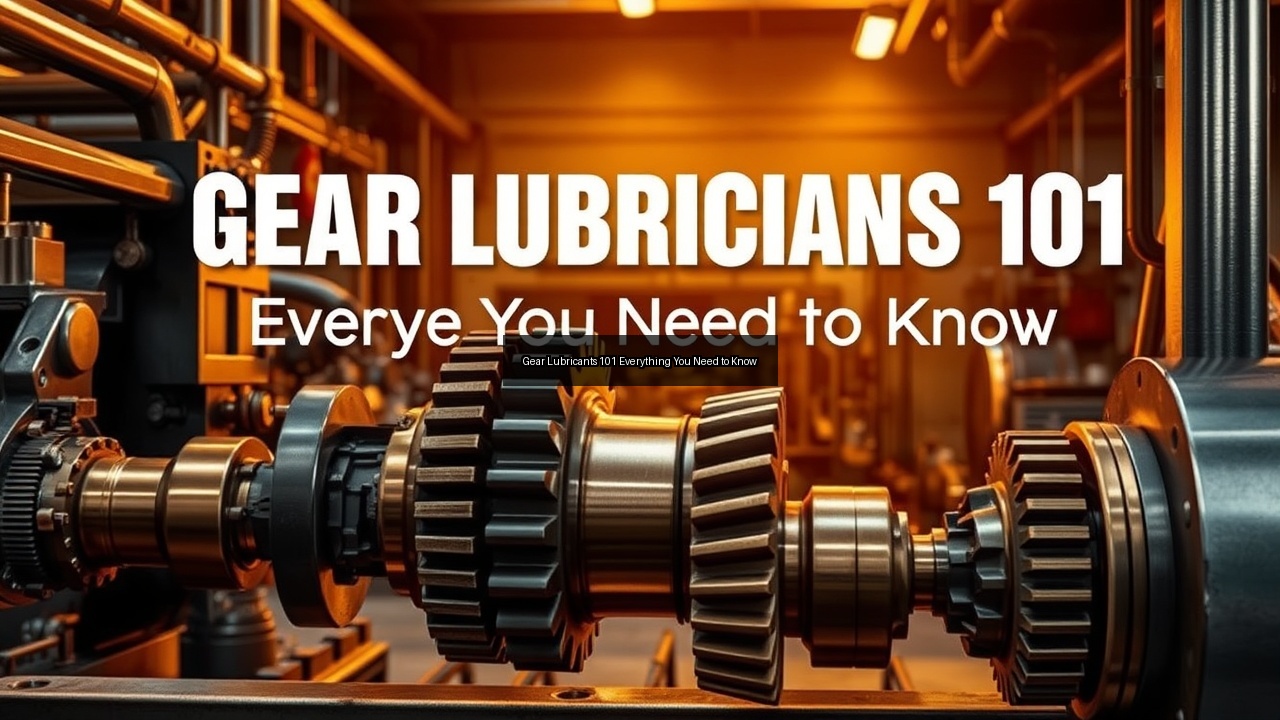
Understanding Gear Lubricants
What are Gear Lubricants?
Gear lubricants, commonly referred to as gear oils, serve a crucial function in the automotive industry, particularly in the operation of gears, differentials, and transmissions. These specialized lubricants reduce friction and wear between metal surfaces in moving parts, ensuring smooth operation and longevity of components. The right gear lubricant not only minimizes wear but also protects against thermal degradation, oxidation, and rust. Typically, gear oils contain additives that enhance their performance characteristics, such as anti-wear agents, extreme pressure additives, and viscosity modifiers. The formulation of these oils is vital for maintaining optimal lubrication under various operating conditions.
Types of Gear Oils: Synthetic vs Conventional
Choosing the right type of gear oil can significantly impact the performance and lifespan of automotive components. There are two primary categories: synthetic and conventional gear oils. Synthetic oils are engineered from chemical compounds, providing superior lubrication properties, higher thermal stability, and better performance at extreme temperatures compared to conventional oils derived from crude oil. Synthetic gear lubricants excel in reducing friction and wear under high-pressure conditions, making them ideal for high-performance vehicles and demanding applications. Conventional gear oils, while still effective, may not offer the same level of protection and efficiency as their synthetic counterparts, especially in severe driving conditions. Understanding these differences aids in making informed choices for your vehicle's lubrication needs.
The Role of API Standards in Gear Lubrication
The American Petroleum Institute (API) establishes standards that define the performance requirements for gear lubricants. API classifications provide guidance on the suitability of a gear oil for specific applications. For example, API GL-4 and GL-5 ratings indicate the lubricant's capability to handle varying levels of pressure and provide adequate protection against wear. Gear oils with higher ratings generally contain more advanced additives that enhance their performance under extreme conditions. Selecting an API-rated gear lubricant ensures compatibility with your vehicle's transmission or differential, safeguarding against potential damage and extending the life of crucial components.
The Importance of Gear Oil in Automotive Applications
Lubrication in Manual Transmissions and Transaxles
Manual transmissions and transaxles rely heavily on gear lubricants for optimal functionality. The oil facilitates smooth shifting and minimizes the friction between gears, preventing wear and tear. Proper lubrication in these components ensures that the gears engage smoothly, enhancing driving performance. Gear oils designed for manual transmissions often have specific viscosity ratings to accommodate the unique demands of these systems. Utilizing the appropriate gear lubricant helps in maintaining the efficiency of the transmission, allowing for precise gear changes and prolonging the overall lifespan of the transmission system.
How Gear Lubes Protect Against Wear and Thermal Degradation
Gear lubes play a pivotal role in protecting automotive components from wear and thermal degradation. As gears operate, they generate heat due to friction. High-quality gear oils are formulated to withstand elevated temperatures, maintaining their viscosity and protective properties. This thermal stability is essential in preventing the breakdown of the lubricant, which can lead to increased friction, wear, and ultimately, component failure. Additionally, gear lubes contain additives that provide a protective film on metal surfaces, reducing direct contact and minimizing wear. Regularly checking and replacing gear oil contributes to the longevity of the vehicle's drivetrain and overall reliability.
Differentials: Why Gear Oil Matters
The differential is a vital component that allows wheels to rotate at different speeds, especially during turns. Gear oil in differentials provides lubrication and cooling, ensuring that the gears operate smoothly under varying loads and speeds. The right gear lubricant prevents metal-to-metal contact, reducing wear and tear on the gears. Additionally, differential gear oils contain additives that help manage extreme pressure situations, ensuring that the gears maintain their integrity even under heavy loads. Selecting a high-quality gear oil for the differential is essential for maintaining optimal performance and preventing costly repairs due to gear failure.
Choosing the Right Gear Oil
SAE Ratings and Their Significance
SAE (Society of Automotive Engineers) ratings indicate the viscosity of gear oils, which is crucial for ensuring proper lubrication under varying temperatures and operating conditions. The rating system typically includes a number followed by a letter, such as SAE 75W-90. The "W" represents winter, indicating the oil's performance at low temperatures, while the number before it signifies the oil's viscosity at high temperatures. Selecting the correct SAE rating is essential; an oil that is too thick may not flow adequately in colder conditions, while one that is too thin may fail to provide sufficient protection at high temperatures. Understanding SAE ratings helps in choosing the right gear oil that aligns with your vehicle’s specifications and driving conditions.
Factors Influencing Gear Oil Selection: Pressure, Temperatures, and More
When selecting gear oil, several factors come into play, including operating pressure, temperatures, and the specific requirements of the vehicle's components. High-pressure environments, such as those found in racing or heavy-duty applications, necessitate gear oils with enhanced extreme pressure (EP) additives. Temperature ranges also dictate the viscosity required; for instance, high-performance vehicles may need synthetic gear oils that perform well under extreme heat. Furthermore, the manufacturer's specifications should guide your choice, as different transmissions and differentials have unique lubrication needs. Understanding these factors ensures optimal performance and protection for your vehicle's gears.
Common Myths About Gear Lubricants
Several myths surround gear lubricants that can lead to misunderstandings and poor maintenance practices. One common misconception is that all gear oils are interchangeable, which is not true. Each lubricant is formulated for specific applications and requires adherence to manufacturer specifications. Another myth suggests that thicker oils provide better protection, whereas excessive viscosity can hinder lubrication, especially in cold conditions. Additionally, some believe that synthetic oils are unnecessary for everyday driving, but they offer superior protection and performance, even in standard vehicles. Debunking these myths helps vehicle owners make informed decisions regarding their gear lubrication.
Maintaining Optimal Gear Lubrication
How to Check and Change Gear Oil
Regular maintenance of gear oil is crucial for ensuring optimal lubrication and performance. Checking gear oil levels involves locating the fill plug on the transmission or differential, removing it, and assessing the oil's condition and level. If the oil appears dark, gritty, or has a burnt smell, it’s time for a change. To change the gear oil, drain the old lubricant completely, clean the drain plug, and replace it before adding new gear oil through the fill plug. Always follow the manufacturer's recommendations regarding the type of oil and the interval for changes, as this will ensure the longevity of your vehicle's components.
Signs of Gear Lubricant Degradation
Identifying signs of gear lubricant degradation can prevent significant damage to your vehicle's drivetrain. Common indicators include unusual noises during operation, such as grinding or whining, which may signal inadequate lubrication. Additionally, if the oil appears dark or contains metal shavings, it indicates wear and potential contamination. Overheating components may also suggest that the lubricant has lost its effectiveness. Regular inspections and timely changes of gear oil based on these signs help maintain the health of your vehicle’s gears and prevent costly repairs.
Best Practices for Gear Oil Storage and Usage
Proper storage and usage of gear oil are essential for maintaining its effectiveness. Store gear lubricants in a cool, dry place away from direct sunlight to prevent degradation. When using gear oil, ensure that you use clean tools and containers to avoid contamination. Always follow the manufacturer’s instructions for application and disposal, as improper handling can lead to environmental concerns. Additionally, keep track of the oil’s shelf life; expired lubricants may not perform as intended. Implementing these best practices ensures that your gear oil remains effective and your vehicle operates smoothly.