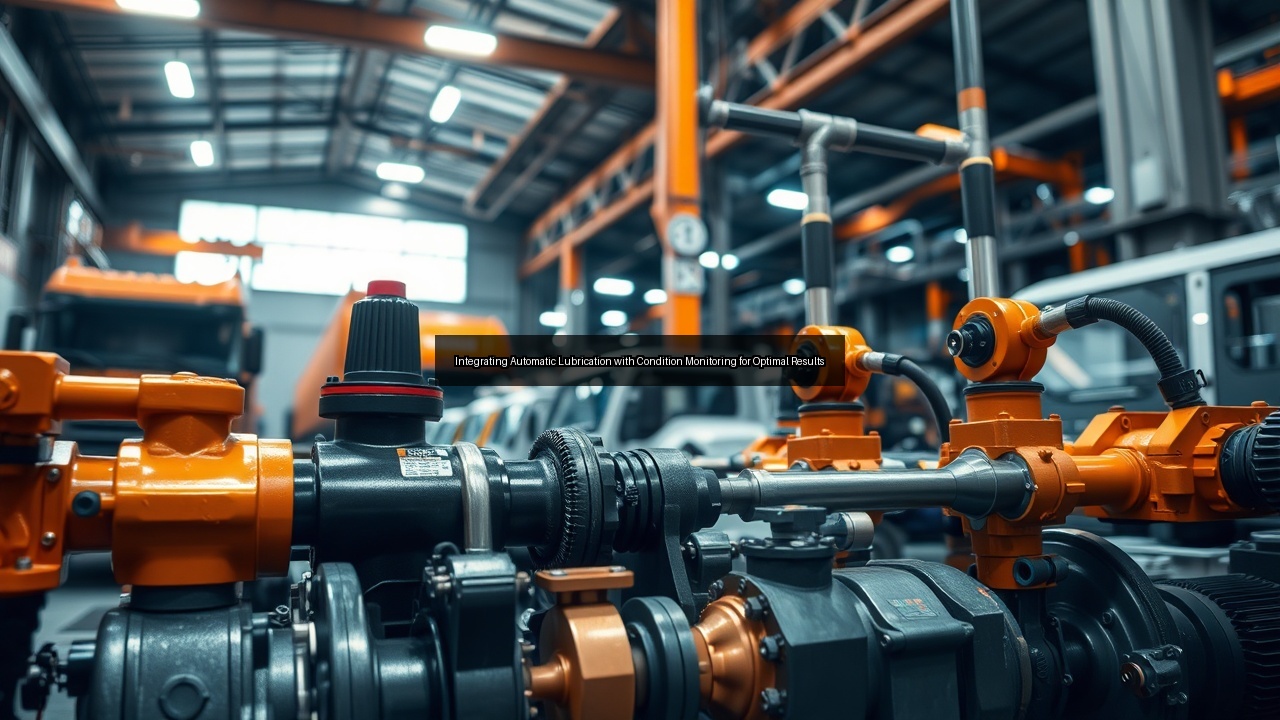
Integrating Automatic Lubrication with Condition Monitoring for Optimal Results
The Importance of Automatic Lubrication Systems
Understanding Automatic Lubrication
Automatic lubrication systems play a crucial role in auto lube system maintaining the performance and longevity of machinery. These systems deliver precise amounts of lubricant to specific components at predetermined intervals, ensuring that critical parts, such as bearings and compressors, receive the necessary lubrication without manual intervention. By automating the lubrication process, these systems reduce the risk of human error, which often leads to insufficient or excessive lubrication. An automatic lubrication system optimizes lubricant application, enhancing equipment performance and reliability.
Benefits of Automation in Lubrication
Automation in lubrication offers significant advantages over traditional manual methods. First, it minimizes downtime by providing consistent lubrication even when machinery is in operation. This continuous feed of lubricant helps prevent wear and tear, extending the lifespan of components. Additionally, automated systems reduce labor costs associated with manual lubricating tasks. They also improve safety by eliminating the need for workers to access hazardous areas for lubrication. Overall, the integration of an automatic lubrication system leads to increased efficiency, reduced maintenance costs, and enhanced reliability across various applications, including trucks and trailers.
Key Components: Pumps and Greasers
Understanding the key components of an automatic lubrication system is essential for effective implementation. The primary components include pumps, greasers, and connectors. Pumps serve as the heart of the system, delivering lubricant to the necessary areas under controlled pressure. Greasers, on the other hand, distribute the lubricant evenly to multiple points, ensuring that each component receives the proper quantity. The choice of pump—whether it’s a progressive, single-line, or dual-line system—depends on the specific application and the complexity of the machinery involved. Together, these components create a cohesive lubrication system that enhances operational efficiency and reliability.
Integrating Condition Monitoring for Enhanced Performance
What is Condition Monitoring?
Condition monitoring involves the systematic observation of machinery performance to identify potential failures before they occur. This proactive approach uses various techniques, such as vibration analysis, thermal imaging, and oil analysis, to gather data on equipment health. By monitoring key parameters, organizations can make informed decisions about maintenance and repairs. Integrating condition monitoring with an automatic lubrication system allows for real-time insight into the lubrication needs of machinery, ensuring optimal performance and reducing the likelihood of unexpected breakdowns.
How Condition Monitoring Works with Lubrication
Condition monitoring complements automatic lubrication by providing critical data that informs lubrication schedules and strategies. For instance, sensors can detect changes in temperature, pressure, and vibration, indicating whether a component requires additional lubricant. This integration allows for a more dynamic approach to lubrication management, adjusting lubricant delivery based on actual operating conditions rather than relying solely on fixed schedules. By aligning lubrication frequency with real-time data, businesses can enhance the efficiency of their lubrication systems, automatic lube system leading to improved machine reliability and reduced maintenance costs.
Real-Time Data Analysis for Maintenance
Real-time data analysis plays a pivotal role in maintenance strategies. With condition monitoring technologies in place, organizations can track the performance of their automatic lubrication systems continuously. This data-driven approach enables timely interventions, preventing minor issues from escalating into major repairs. For example, if a bearing shows signs of excessive wear, the system can adjust the lubrication quantity accordingly. Such responsiveness not only minimizes downtime but also maximizes the lifespan of critical components. This synergy between lubrication and condition monitoring ultimately drives operational efficiency and enhances overall productivity.
Optimizing Maintenance and Reducing Costs
Impact of Automatic Lubrication on Maintenance Costs
Implementing an automatic lubrication system significantly impacts maintenance costs. By ensuring that machinery receives the right amount of lubricant at the right time, these systems reduce wear and tear, leading to fewer breakdowns and lower repair costs. The automation of lubrication tasks cuts down on labor expenses associated with manual lubrication schedules. Furthermore, with condition monitoring integrated into the system, companies can adopt predictive maintenance strategies, addressing issues before they result in costly repairs. Overall, businesses experience a substantial reduction in total maintenance costs, enhancing their bottom line.
Case Studies: Trucks and Trailers
Real-world case studies illustrate the benefits of automatic lubrication systems in trucks and trailers. For instance, a fleet management company implemented an automatic grease system across its vehicles, resulting in a 30% reduction in maintenance downtime. By consistently lubricating critical components like wheel bearings and suspension systems, the company extended the lifespan of its fleet and improved overall reliability. Another case study highlighted a logistics firm that integrated condition monitoring with its automatic lubrication system, leading to a 25% decrease in unexpected breakdowns. These examples underscore the effectiveness of automated lubrication solutions in enhancing operational efficiency.
Enhancing Reliability of Bearings and Compressors
Bearings and compressors are vital components in various industrial applications, and their reliability directly impacts overall equipment performance. Automatic lubrication systems ensure that these components receive the precise amount of lubricant needed to operate efficiently. For bearings, consistent lubrication minimizes friction and wear, significantly extending their operational lifespan. In the case of compressors, adequate lubrication prevents overheating and failure, ensuring smooth operation. By integrating condition monitoring, businesses can optimize lubrication strategies further, leading to unprecedented reliability and a substantial reduction in unplanned outages.
Choosing the Right Lubrication Solutions
Comparative Analysis of Lube Brands
Choosing the right lubricant is crucial for the effectiveness of an automatic lubrication system. Various brands offer distinct formulations tailored for specific applications. A comparative analysis of lube brands reveals differences in viscosity, temperature tolerance, and compatibility with various materials. For instance, some lubricants excel in high-pressure environments, while others may be better suited for extreme temperatures. Understanding automatic lube system these nuances allows organizations to select the most appropriate lubricant for their automatic lubrication system, optimizing performance and reliability.
Selecting the Right Lubricant for Your Application
Selecting the right lubricant involves considering several factors, including the operating environment, load conditions, and material compatibility. For heavy-duty applications in trucks and trailers, a high-performance grease that withstands extreme pressure may be necessary. automatic lube systems Alternatively, for applications involving bearings in data centers, a low-viscosity oil might be ideal to ensure smooth operation. The right lubricant not only enhances the effectiveness of an automatic lubrication system but also contributes to overall machinery health, reducing wear and extending service intervals.
Future Trends in Lubrication Technology
The future of lubrication technology looks promising, with innovations poised to revolutionize automatic lubrication systems. Emerging trends include the development of smart lubricants that respond to environmental changes and advanced sensors that provide real-time feedback on lubrication needs. Moreover, the integration of the Internet of Things (IoT) in lubrication systems will enable more sophisticated data analysis and predictive maintenance strategies. As these technologies evolve, businesses will gain even greater control over their lubrication processes, leading to enhanced efficiency and reliability in their operations.
See Also
- Automatic Lubrication Systems vs Manual Greasing Which is More Reliable
- A Deep Dive into the Technology Behind Automatic Lubricators
- Unlocking Efficiency with Automatic Lubrication Systems for Heavy Machinery
- Exploring the Benefits of Automated Lubrication for Industrial Equipment
- Expert Tips for Maintaining Your Automatic Lubrication System