The Impact of Advanced Machining on Pneumatic System Performance
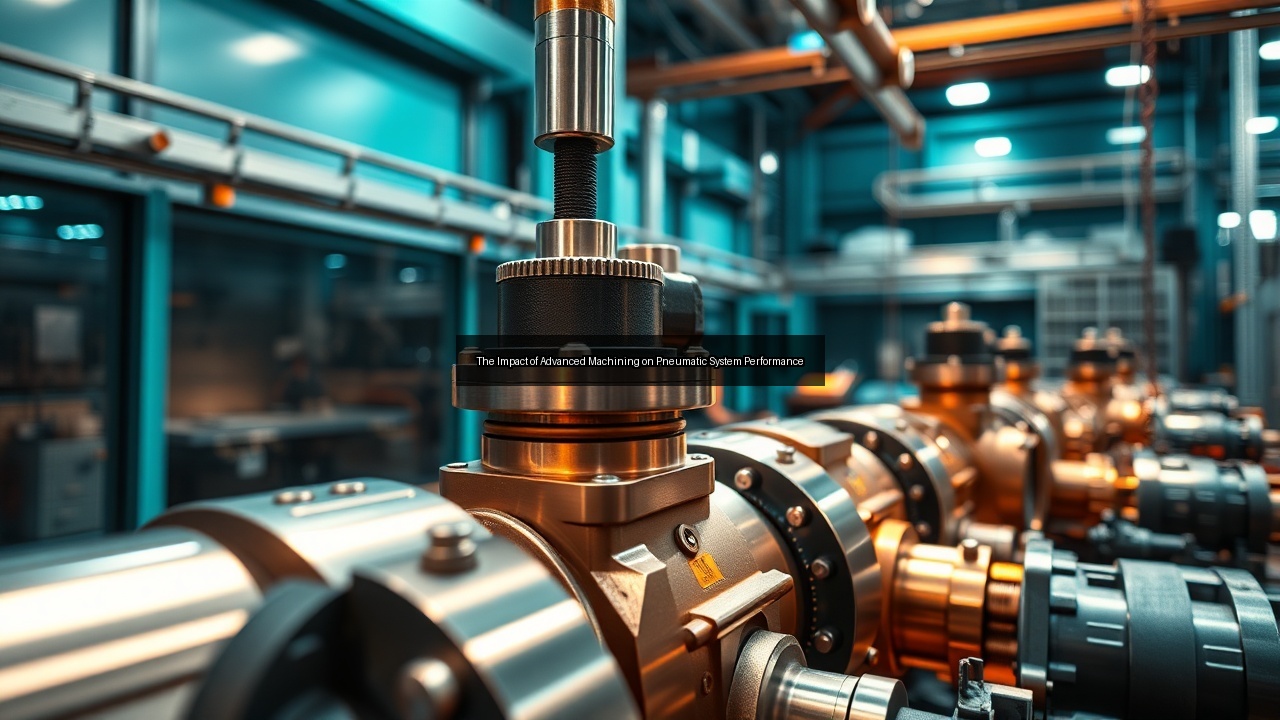
Understanding Pneumatic Valve Machining
Overview of Pneumatic Valves
Pneumatic valves play a crucial role in controlling air flow and pressure within pneumatic systems. These valves regulate the direction, flow rate, and pressure of gases, making them essential in various applications, from industrial automation to automotive systems. The operation of pneumatic control valves often relies on the precise interaction between various components, ensuring that systems function efficiently. A well-designed pneumatic valve can significantly enhance the performance of a pneumatic actuator, which in turn drives machinery and equipment effectively. As industries continue to evolve, understanding the nuances of pneumatic valve machining becomes vital for manufacturers aiming to improve their product offerings.
Importance of Precision in Machining
Precision in machining directly influences the efficiency and reliability of pneumatic valves. Even minute deviations in dimensions can lead to failures in pressure control, resulting in operational inefficiencies. High-precision machining ensures that each valve component meets stringent specifications, which enhances the overall performance of the pneumatic system. The manufacturing process must utilize state-of-the-art technologies and skilled management to achieve the necessary tolerances. As the demand for reliable and efficient pneumatic systems rises, the importance of precision in pneumatic valve machining cannot be overstated. Manufacturers, such as Hogge Precision Parts, emphasize the significance of precision to maintain competitive advantages in this fast-paced market.
Types of Pneumatic Control Valves
Pneumatic control valves come in various types, each serving specific functions within pneumatic systems. Common types include directional control valves, pressure control valves, and flow control valves. Directional control valves manage the path of compressed air, determining the movement direction of actuators. Pressure control valves maintain consistent pressure levels, preventing system overloads. Flow control valves regulate the speed of actuators by controlling air flow rates. Each type of valve requires specific machining techniques to ensure optimal functionality. Understanding the differences among these valves allows manufacturers to tailor machining processes to meet the unique demands of each application, enhancing overall system performance.
Advanced Machining Techniques in Pneumatic Systems
CNC Machining for Pneumatic Components
CNC (Computer Numerical Control) machining represents a significant advancement in the manufacturing of pneumatic valve components. This technology automates the machining process, allowing for increased precision and repeatability. CNC machines can produce intricate designs and geometries that manual machining cannot achieve. The ability to program specific parameters ensures consistency across production runs, which pneumatic valve manufacturer is critical for maintaining quality in pneumatic valve manufacturing. Manufacturers leveraging CNC machining benefit from reduced lead times and lower production costs while enhancing the quality of their pneumatic valves. This technology has become indispensable for companies seeking to stay competitive in the ever-evolving landscape of pneumatic component manufacturing.
Benefits of 3D Printing in Valve Manufacturing
3D printing, or additive manufacturing, offers innovative advantages in the production of pneumatic valves. This technology enables manufacturers to create complex, lightweight designs that traditional machining methods may struggle to achieve. The rapid prototyping capability of 3D printing allows engineers to test and iterate designs quickly, shortening the development cycle. Additionally, 3D printing reduces waste material, contributing to sustainability efforts within the pneumatic valve manufacturing industry. By adopting this technology, manufacturers can produce custom valve components more efficiently, catering to specific customer needs without incurring significant costs. As 3D printing continues to advance, its integration into pneumatic valve machining will likely shape the future of the industry.
Quality Control in Machining Processes
Quality control remains a critical aspect of pneumatic valve machining, ensuring that products meet the high standards expected by manufacturers and end-users alike. Rigorous testing and inspection processes are essential to verify that each valve component performs effectively within its intended application. Techniques such as dimensional inspection, material testing, and functional testing guarantee that the valves meet exact specifications and are free from defects. Implementing a robust quality management system can help manufacturers identify areas for improvement in their machining processes, ultimately enhancing product reliability and customer satisfaction. Staying ahead in quality control practices not only boosts a manufacturer’s reputation but also fosters long-term relationships with clients in the competitive pneumatic systems market.
Impact of Machining on Performance and Efficiency
How Precision Affects Gas Flow and Pressure Control
Precision machining directly impacts the performance of pneumatic valves concerning gas flow and pressure control. Accurate machining ensures that the internal surfaces of valves are smooth and properly aligned, reducing turbulence in gas flow and enhancing the efficiency of the pneumatic system. When gas flows smoothly through a valve, it maintains consistent pressure levels, crucial for the effective operation of pneumatic actuators. Variability in machining can lead to inefficiencies, causing pressure drops and inconsistent actuator performance. Thus, manufacturers must prioritize precision in their machining processes to optimize the operation of pneumatic systems, ensuring that they function at peak efficiency.
Role of Machining in Reducing Wear and Tear
Effective machining techniques play a vital role in minimizing wear and tear on pneumatic valves. High-quality materials and precise manufacturing processes help create components that withstand the rigors of continuous operation. By using advanced machining methods, manufacturers can produce valves with superior surface finishes and tighter tolerances, which are less prone to abrasion and degradation over time. This durability not only extends the lifespan of pneumatic valves but also reduces the need for frequent maintenance and replacements, leading to cost savings for manufacturers. Prioritizing quality in machining processes directly correlates with the long-term reliability of pneumatic systems, making it a fundamental aspect of valve production.
Case Studies: Success Stories from Manufacturers
Several manufacturers have successfully harnessed advanced machining techniques to enhance the performance of their pneumatic systems. For instance, a leading manufacturer of pneumatic actuators implemented CNC machining to improve the precision of their valve components. This investment resulted in a 20% increase in efficiency and a significant reduction in product defects. Another case involved a manufacturer that adopted 3D printing to produce custom valve designs, enabling rapid prototyping and faster time-to-market. These success stories highlight how innovative machining practices can lead to substantial improvements in product performance and operational efficiency, ultimately benefiting manufacturers and their clients alike.
Future Trends in Pneumatic Valve Manufacturing
Innovations in Material Selection
The future of pneumatic valve manufacturing will see significant advancements in material selection. Manufacturers are increasingly exploring lightweight and durable materials, such as advanced composites and high-performance polymers, to produce valves that offer enhanced performance and longevity. Innovations in material technology will allow for the creation of valves that can withstand higher pressures and harsher operating environments. This shift toward innovative materials will also contribute to reducing the overall weight of pneumatic systems, improving energy efficiency. As manufacturers continue to prioritize performance and sustainability, selecting the right materials will play a pivotal role in the evolution of pneumatic valve machining.
Sustainability in Pneumatic System Production
Sustainability is becoming a key focus in pneumatic valve manufacturing, driven by the growing demand for environmentally friendly practices. Manufacturers are adopting sustainable techniques in machining processes, including reducing waste through efficient material usage and recycling scrap materials. Implementing energy-efficient machinery and practices also contributes to the overall environmental impact of production. By prioritizing sustainability, manufacturers not only comply with regulatory requirements but also enhance their brand image and appeal to environmentally conscious consumers. The shift toward sustainable practices in pneumatic valve machining signifies a proactive approach to addressing environmental challenges while maintaining competitiveness in the industry.
The Role of Automation and AI in Machining
Automation and artificial intelligence (AI) are poised to transform pneumatic valve machining. Integrating AI into machining processes enhances precision and quality control, allowing for real-time monitoring and adjustments. Automated systems can optimize production schedules, reduce downtime, and improve efficiency. This technological evolution enables manufacturers to respond quickly to market demands while maintaining high standards of quality in pneumatic valve production. As automation becomes more prevalent, manufacturers that embrace these technologies will likely gain a competitive edge, positioning themselves as leaders in the pneumatic systems market. The future of pneumatic valve machining will undoubtedly be shaped by these advancements, leading to unprecedented improvements in performance and efficiency.