Tips for Selecting a Reliable Gearbox Repair Shop
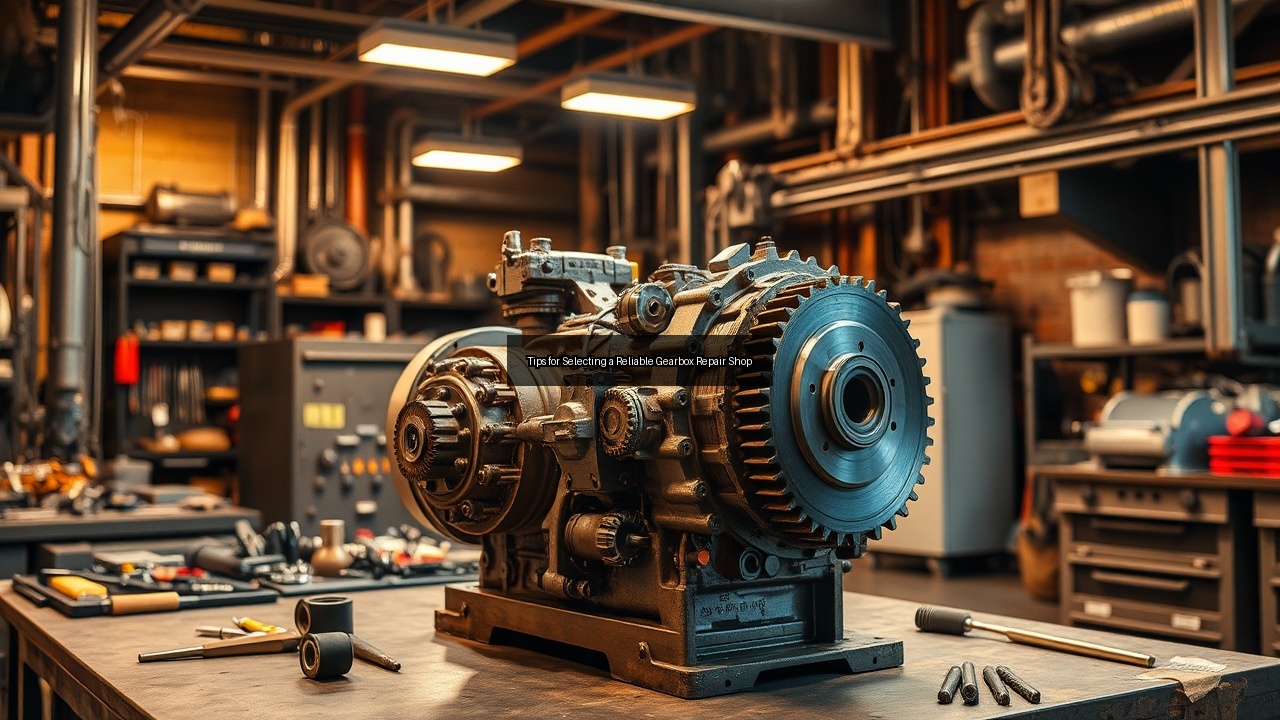
Understanding Gearbox Repairs and Rebuilds
What is Gearbox Rebuilding?
Gearbox rebuilding involves disassembling a gearbox to inspect, repair, or replace worn and damaged components, thereby restoring its functionality. This process often includes replacing gears, bearings, seals, and other critical parts. gearbox overhaul During a gearbox rebuild, technicians assess the root cause of failures to prevent future issues. Unlike a simple repair, a rebuild often requires precision machining and thorough testing to ensure all components work harmoniously. Many businesses opt for gearbox rebuild services to prolong the life of their gearboxes, improve performance, and reduce the risk of unexpected breakdowns.
Common Reasons for Gearbox Failures
Gearboxes encounter several operational challenges that lead to failures, necessitating repairs or complete overhauls. Common causes include excessive wear and tear, improper lubrication, and misalignment of gears. Overloading a gearbox—subjecting it to forces beyond its design capacity—can cause catastrophic failures. Contaminants in the lubrication system or insufficient maintenance can exacerbate these issues, leading to premature breakdowns. Understanding these factors helps in identifying signs of impending failures early, allowing for timely interventions and minimizing downtime.
The Importance of Preventative Maintenance
Preventative maintenance plays a crucial role in extending the lifespan of gearboxes. Regular inspections and maintenance routines can catch minor issues before they escalate into major problems. This proactive approach includes checking lubrication levels, inspecting gears for wear, and ensuring proper alignment. By maintaining optimal operating conditions, businesses can significantly reduce the occurrence of gearbox failures and the associated repair costs. A well-maintained gearbox operates more efficiently, enhancing overall machinery performance and reliability.
Choosing the Right Gearbox Repair Shop
Evaluating Experience and Reputation
When searching for a gearbox repair shop, prioritize experience and reputation. An established company with a long history in gearbox repairs typically possesses the expertise to handle diverse issues effectively. Look for customer reviews and testimonials that reflect the shop's reliability and quality of service. Engaging with industry professionals and seeking recommendations from peers can also guide you toward reputable repair services. A shop with a solid reputation is likely to have skilled technicians who understand the intricacies of various gearboxes, including reduction gearboxes and gear-box designs.
Checking for Certification and Warranty
Certification and warranty are essential indicators of a reliable gearbox repair shop. Certifications from recognized organizations demonstrate that the shop adheres to industry standards and employs qualified technicians. A warranty on repairs provides peace of mind, ensuring that if issues arise after service, the shop will address them without additional costs. Inquire about the duration and coverage of warranties, as this reflects the shop's confidence in its work. A trustworthy gearbox repair shop will stand by its services and offer guarantees on the quality of their repairs and rebuilds.
Assessing Repair and Maintenance Services
A comprehensive range of repair and maintenance services is vital when selecting a gearbox repair shop. The shop should offer thorough inspections, failure analysis, and detailed reports on the gearbox condition. Assess their capabilities in machining and reverse engineering, as these skills are critical for customizing solutions for unique gearbox designs. Additionally, inquire about their approach to preventative maintenance. A shop that emphasizes ongoing care and support can help ensure your gearboxes remain in optimal condition, reducing the need for frequent repairs and enhancing machinery efficiency.
Key Factors to Consider in Gearbox Repair
Cost Estimates and Budgeting
Understanding the cost associated with gearbox repairs is crucial for effective budgeting. Request detailed estimates from multiple gearbox repair shops to compare prices and services offered. Be wary of prices that seem too low; they may indicate subpar materials or rushed work. The cost of repairs can vary significantly based on the extent of the damage and the specific services required. Consider not only the immediate costs but also the long-term implications of investing in quality repairs. Spending a bit more initially on reputable services can save money in the long run by preventing further failures.
Inspection and Failure Analysis Processes
A thorough inspection and failure analysis process is essential when dealing with gearbox repairs. A reliable repair shop will employ advanced diagnostic tools and techniques to identify the underlying issues causing gearbox failures. This analysis should include a comprehensive evaluation of all components, including gears, bearings, and housing. Technicians should provide a detailed report outlining their findings and recommendations. Understanding the failure analysis process helps you make informed decisions about repairs and ensures that the root causes of issues are addressed effectively.
Machining and Reverse Engineering Capabilities
Machining and reverse engineering capabilities are critical factors when selecting a gearbox repair shop. If specific parts of a gearbox are damaged or obsolete, skilled machinists can create replacements that meet or exceed original specifications. Reverse engineering allows technicians to analyze and replicate components accurately, ensuring a perfect fit. This capability is especially important for older or unique gearboxes where parts may no longer be readily available. A repair shop with strong machining capabilities can provide tailored solutions that enhance the longevity and performance of your gearbox.
Maximizing Efficiency and Downtime Management
Understanding Gearbox Efficiency
Efficient gearboxes contribute significantly to overall machinery performance. Understanding the efficiency of your gearbox involves analyzing its design and how well it converts input power into output power. Factors such as gear ratios, lubrication quality, and operating conditions play a crucial role in this efficiency. Properly maintained gearboxes operate at optimal levels, reducing energy consumption and prolonging equipment life. During repairs or rebuilds, ensure that the shop addresses any changes needed to enhance gearbox efficiency, thus improving the overall performance of your equipment.
The Role of Lubrication in Gearbox Longevity
Lubrication is vital for the smooth operation of gearboxes, preventing wear and tear on gears and bearings. Quality lubricants reduce friction and dissipate heat, crucial for maintaining optimal operating conditions. When selecting a gearbox repair shop, inquire about their lubrication practices. A shop that emphasizes proper lubrication techniques will help ensure the longevity of your gearbox. Regularly scheduled lubrication checks and timely changes can prevent many common gearbox failures, making it a key aspect of preventative maintenance.
Planning for Downtime During Repairs
Downtime during gearbox repairs can impact productivity and profitability. Effective planning minimizes disruption to operations. Communicate with the repair shop to understand the expected turnaround time for repairs or rebuilds. Discuss options for expedited services if needed. Implementing a maintenance schedule that anticipates potential gearbox issues can also reduce downtime. By planning for repairs and scheduling them during off-peak periods, businesses can maintain continuity while ensuring that their gearboxes remain in excellent working condition.